All Categories
Featured
Implementing Key ESG Reporting for 2026
Table of Contents
"People do not recognize that mainstream plants such as camellias and boxwood, for instance, can go months without water," stated horticulturist Tom Ash of WeatherTRAK, a company that developed weather-based sprinkler timers that water only when they notice your plants need it. "House owners on average overwater their landscapes by half," he stated.
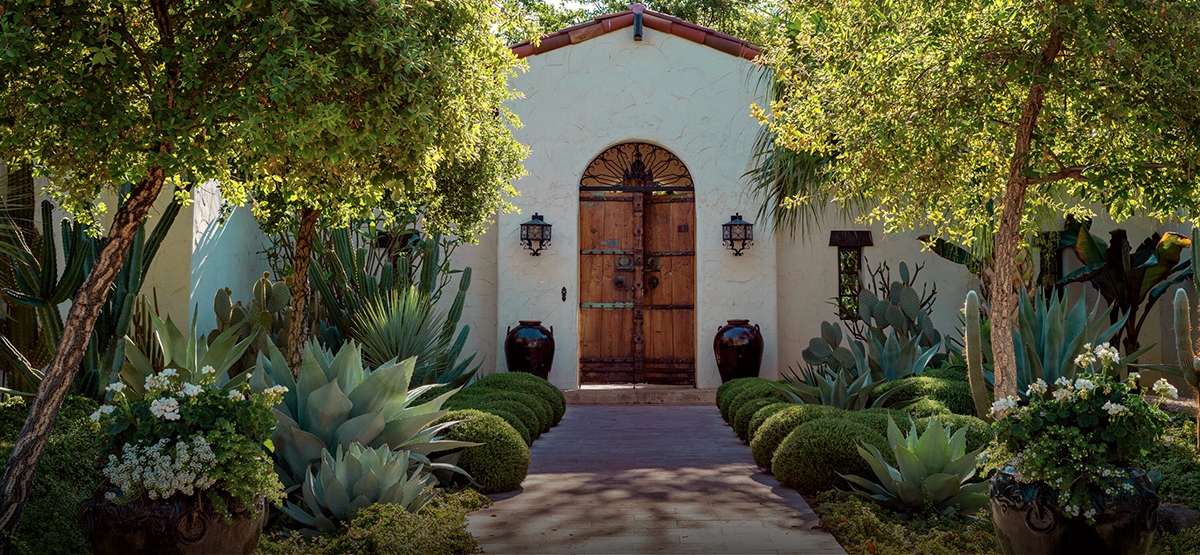
Do not puzzle friendly with native. While lots of locals are drought-tolerant, so too are luscious-looking plants from all over the world. A California-friendly landscape has to do with the plants. And it is likewise about the plant keeper: the homeowner who decides when and how much to water and takes an active function in where the water goes.
Large shade trees help keep the landscape cool and moist, particularly throughout our long, hot summer seasons. Select proper plants. If you think yuccas are yucky, dig a little much deeper into your gardening books to discover plants that depend on a lot less water than maybe you believed. Daffodils don't need a drop of water in the summertime, if you get my drift.
Grass is the largest water guzzler in the landscape, requiring 70 percent of the landscape water we use. On the other hand, it is likewise reliable at managing erosion and decreasing runoff on slopes. Use it just where it will be part of the option. Water less. The No. 1 factor that plants fail is overwatering, a fact that most homeowners are persistent to yield.
Future-Proofing Business Curb Aesthetics Through Xeriscaping
You might be amazed at just how much your plants can live without. Do not waste water. Ash states that of the 70,000 gallons we use on landscapes a year, half is lost in overflow, irrigation leaks and overwatering. Control overflow. According to the Surfrider Structure and Orange County Coastkeeper, letting water struck the curb for any reason is bad.
Landscaping ProfessionalsThree inches of mulch go a long method towards keeping the water we do use. If you think you are already skilled at saving water in your landscape, you can test your guts to find out.
All gardens will be evaluated by the public very first ("American Idol"-design), who can view and vote online at from June 1 to July 1. Discover about the plants you already have.
Advanced Commercial Property Maintenance Protocols
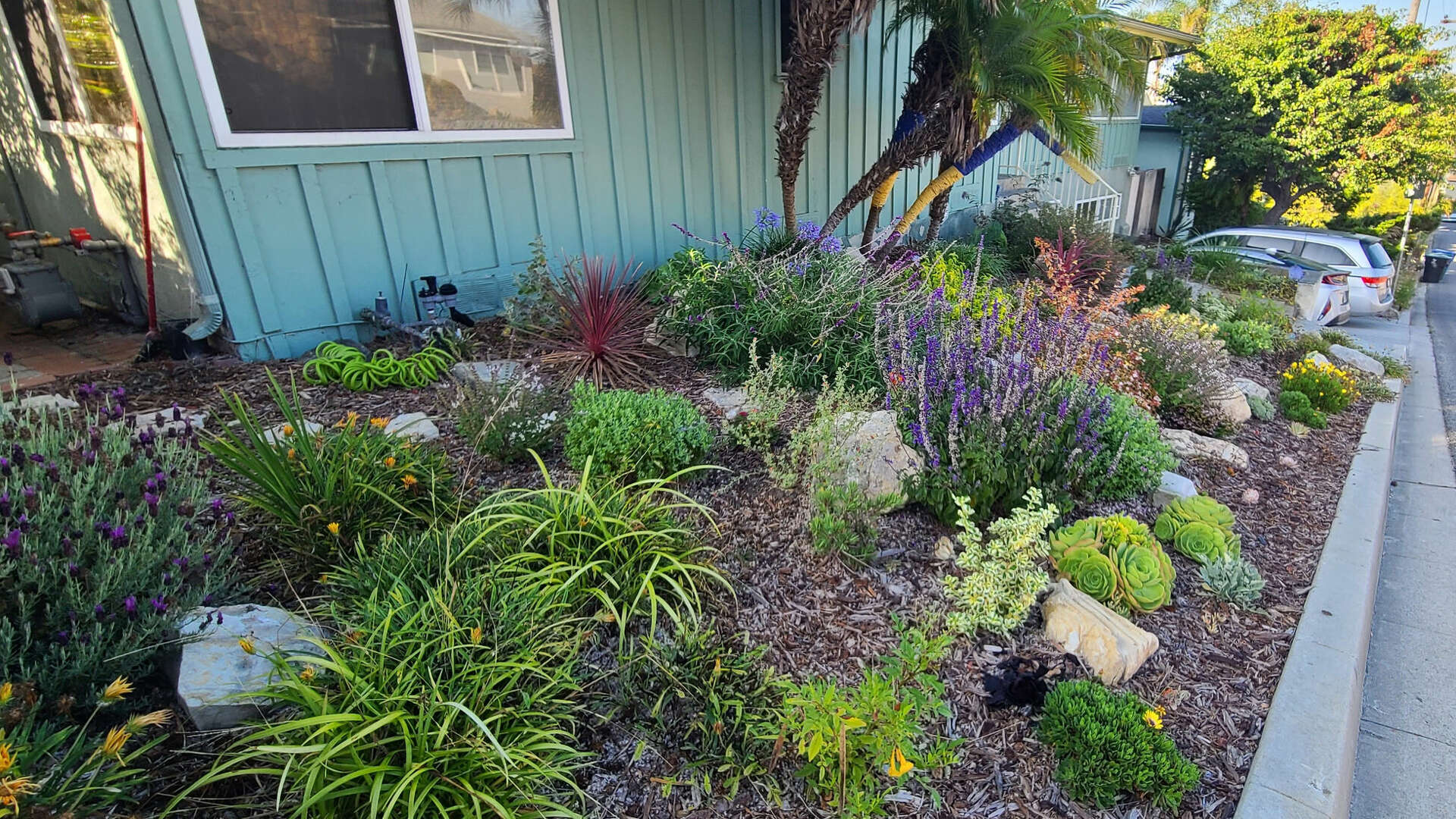
Group plants according to water needs. 2. Expand your plant palette. California-friendly plants can consist of and are not limited to ornamental grasses, bulbs, shrubs, natives, succulents and a lot of plants from Mediterranean environments worldwide. 3. Pay attention to design. Not all drought-tolerant landscapes need to be dull as dirt. Let a creative style, and not always the plants, take center stage.
The judges will be looking for 3 inches at least. Set up a weather-based timer that senses the wetness level in your soil and the air and integrates the information with understanding of your landscape to water just when your plants require it.
Learn to read your landscape, look at the soil and plants and consider the climate before you flip the water switch on. Make sure a single drop never ever strikes your driveway or the rain gutter. Look into permeable hardscape items such as pavers and gravel that filter water before it drips into the watershed.
Go organic. Give drier landscapes a good track record by keeping your landscape pinched and pruned to excellence. Low water does not mean low upkeep.
All gardens will be judged by the public very first ("American Idol"-design), who can see and vote online at from June 1 to July 1. Learn about the plants you currently have.
How Efficient Maintenance Reduces Property Costs
Group plants according to water needs. 2. Expand your plant palette. California-friendly plants can include and are not limited to ornamental turfs, bulbs, shrubs, natives, succulents and a lot of plants from Mediterranean climates worldwide. 3. Take note of design. Not all drought-tolerant landscapes require to be dull as dirt. Let an imaginative style, and not always the plants, take center stage.
Mulch, mulch, mulch and don't forget to mulch. The judges will be looking for 3 inches a minimum of. 5. Set up a weather-based timer that senses the wetness level in your soil and the air and integrates the info with knowledge of your landscape to water just when your plants require it.
Be your own smart timer. Learn to read your landscape, take a look at the soil and plants and think about the environment before you turn the water turn on. 7. Control overflow. Make certain a single drop never ever hits your driveway or the seamless gutter. 8. Look into permeable hardscape products such as pavers and gravel that filter water before it trickles into the watershed.
Steps to Renovating Older Commercial Campuses
Go natural. Enough said. 10. Give drier landscapes an excellent credibility by keeping your landscape pinched and pruned to excellence. Low water does not imply low upkeep. Low maintenance does not imply careless. or 714-796-5023.

Table of Contents
Latest Posts

Sustainable Maintenance At SOCAL Service Facilities
Optimizing Property Value with ESG-Focused Pacific Green Landscape Maintenance

Evaluating Legacy and Sustainable Landscaping Standards
Latest Posts
Sustainable Maintenance At SOCAL Service Facilities
Optimizing Property Value with ESG-Focused Pacific Green Landscape Maintenance
Evaluating Legacy and Sustainable Landscaping Standards